House of Celebration
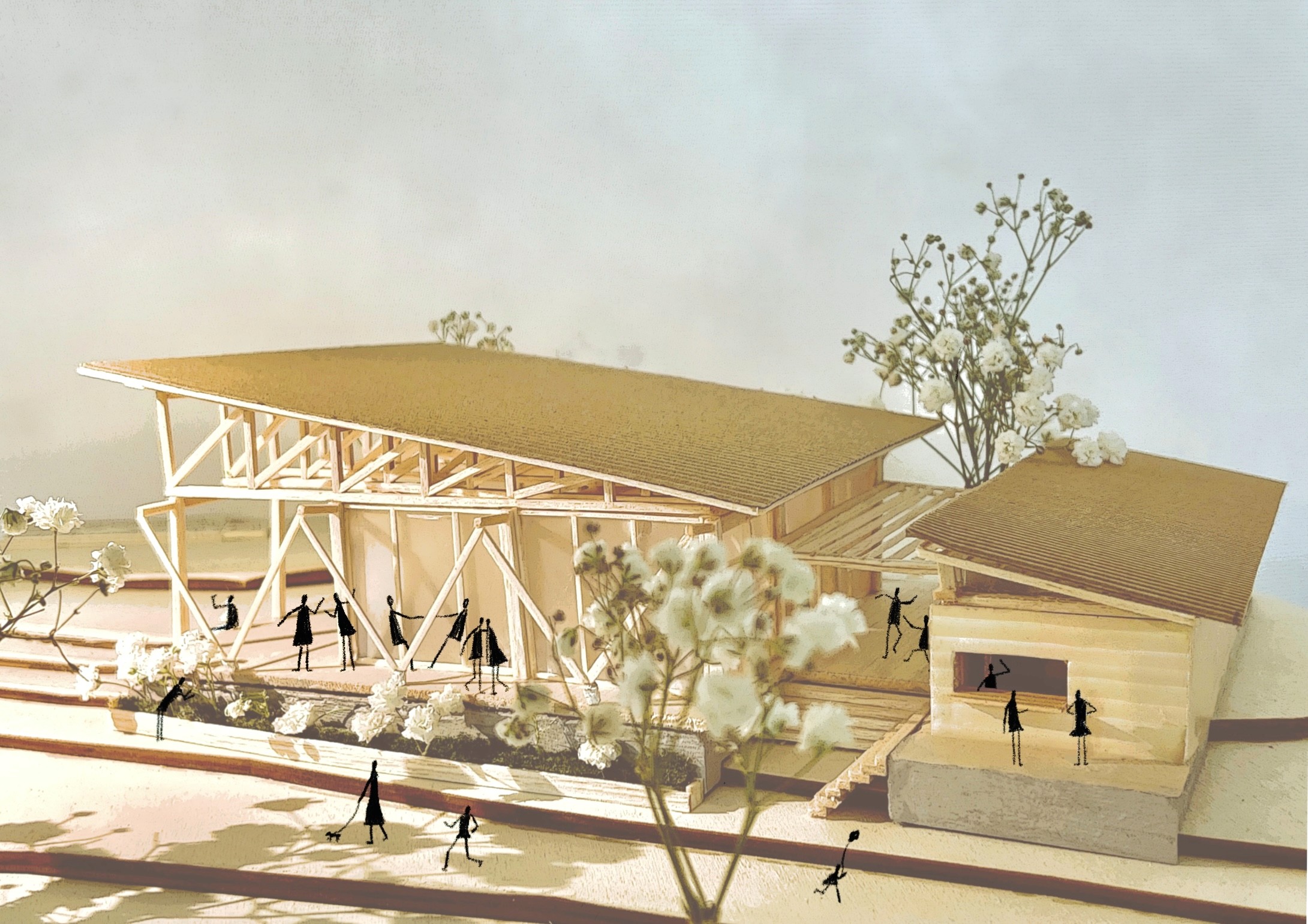
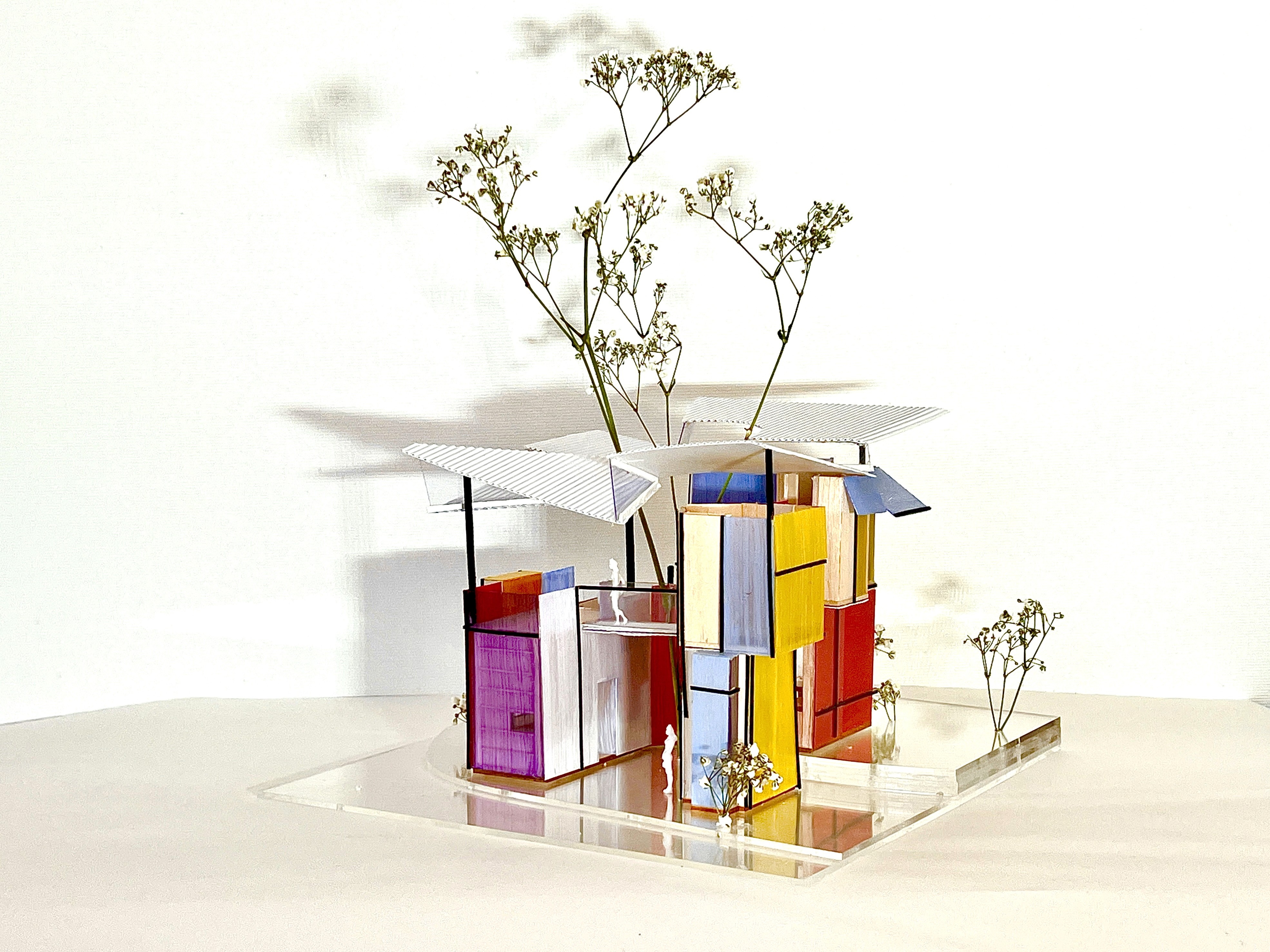
The House of Celebration is a project that emphasises passive design principles and environmentally responsive material choices to create an inclusive, adaptable space for community gatherings such as weddings, ceremonies, and celebrations. Accessibility for all users is central to the design, ensuring it serves a broad and diverse community. With architectural strategies, a thoughtful balance between functionality, sustainability, and cultural sensitivity is created. The House of Celebration becomes more than just a venue, it stands as a symbol of unity, openness, and respectful connection to both people and place.
Year
2024
Focus
Passive Design
Site
Rozelle, Sydney
/ Design
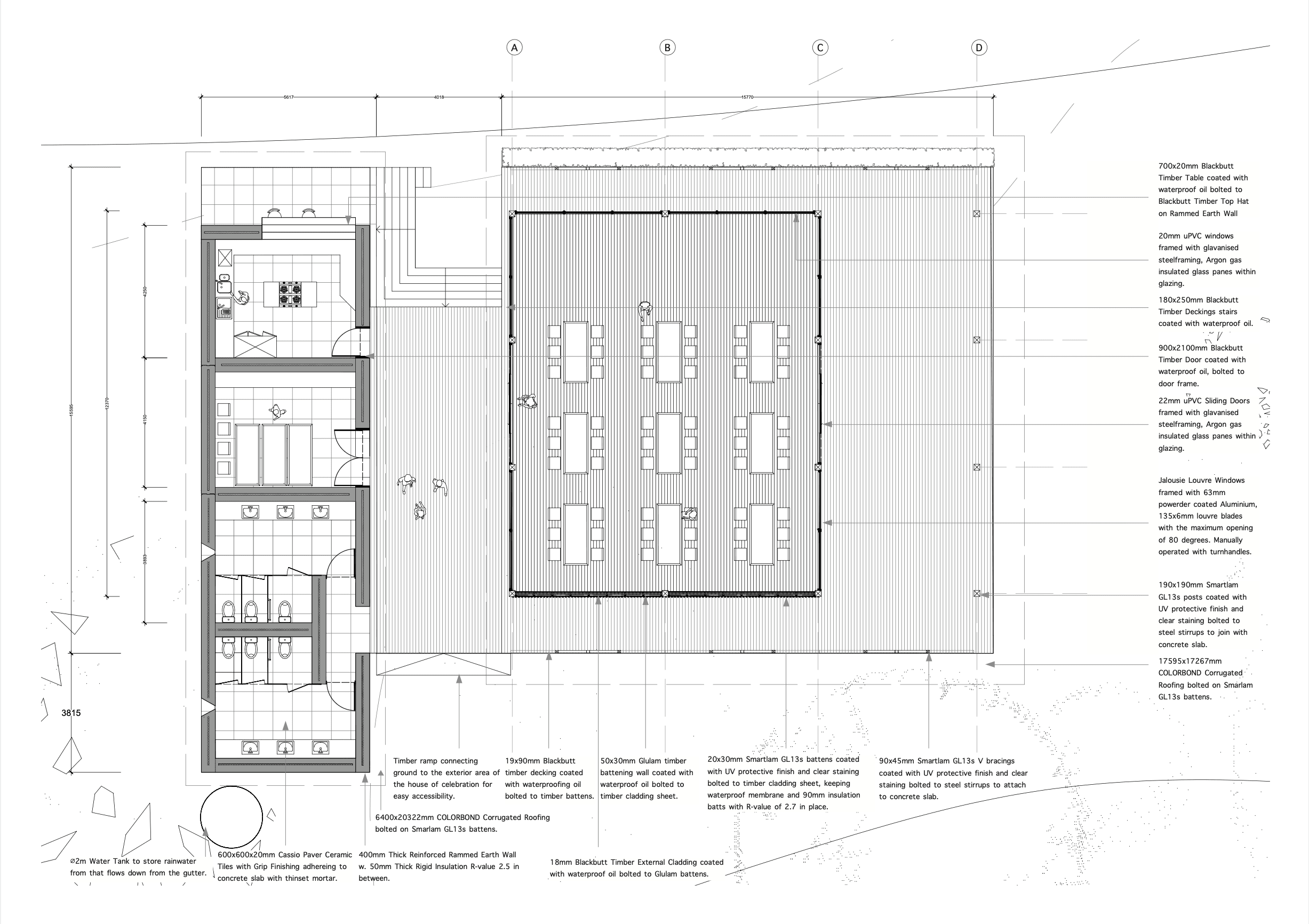
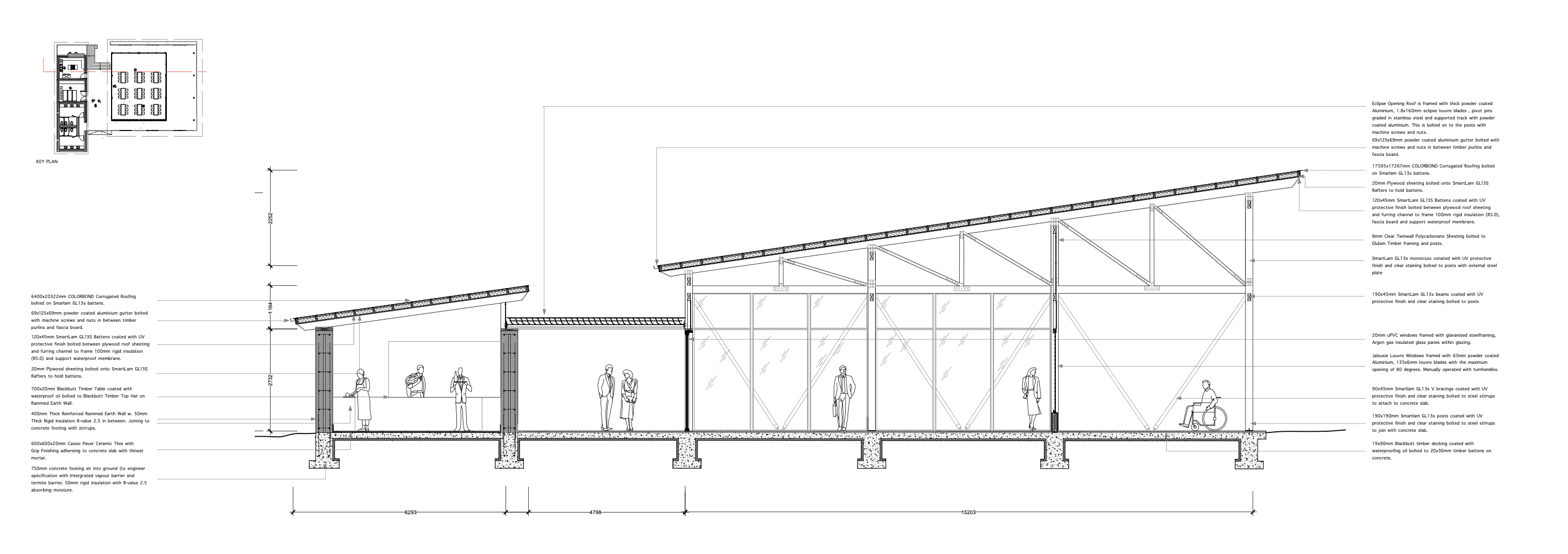
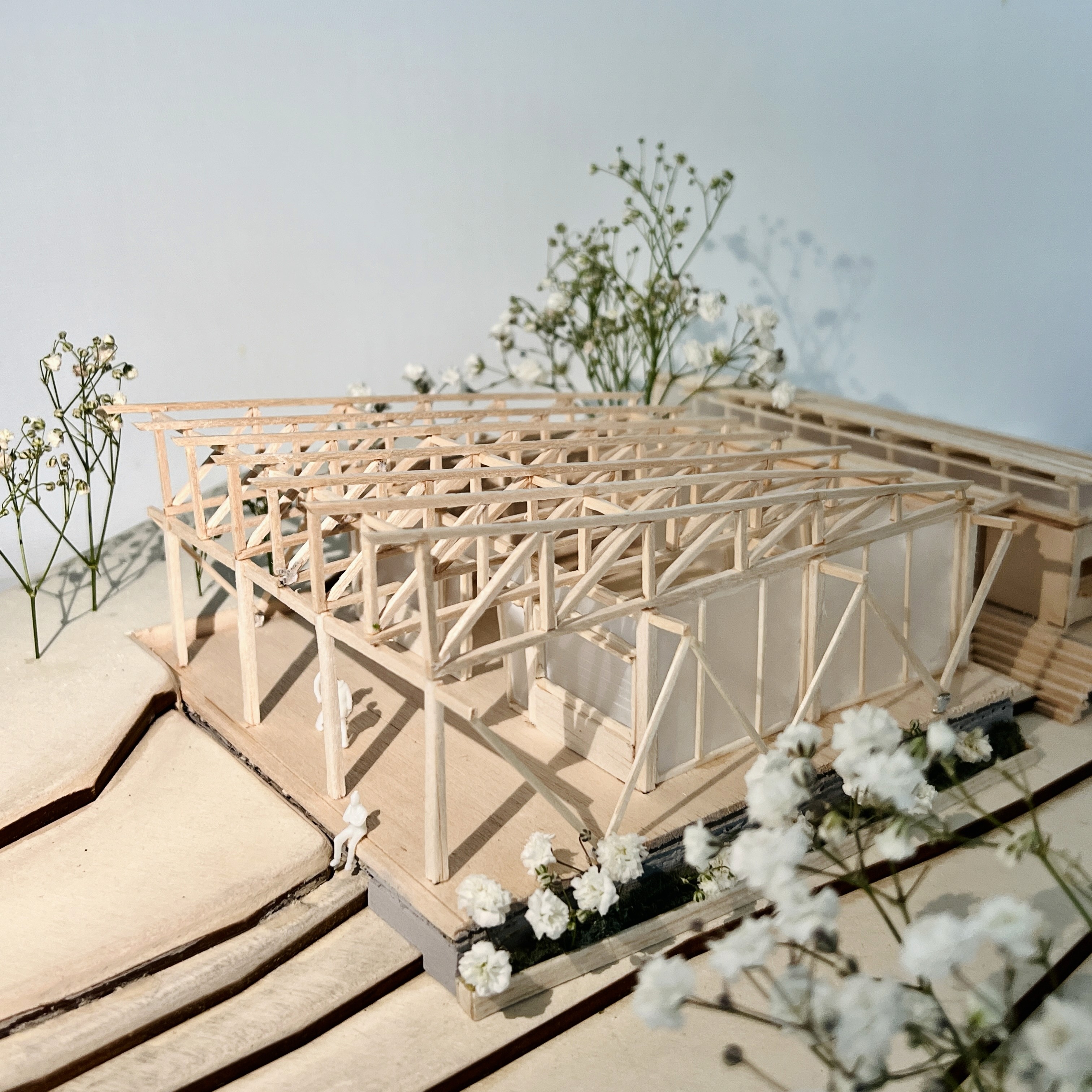
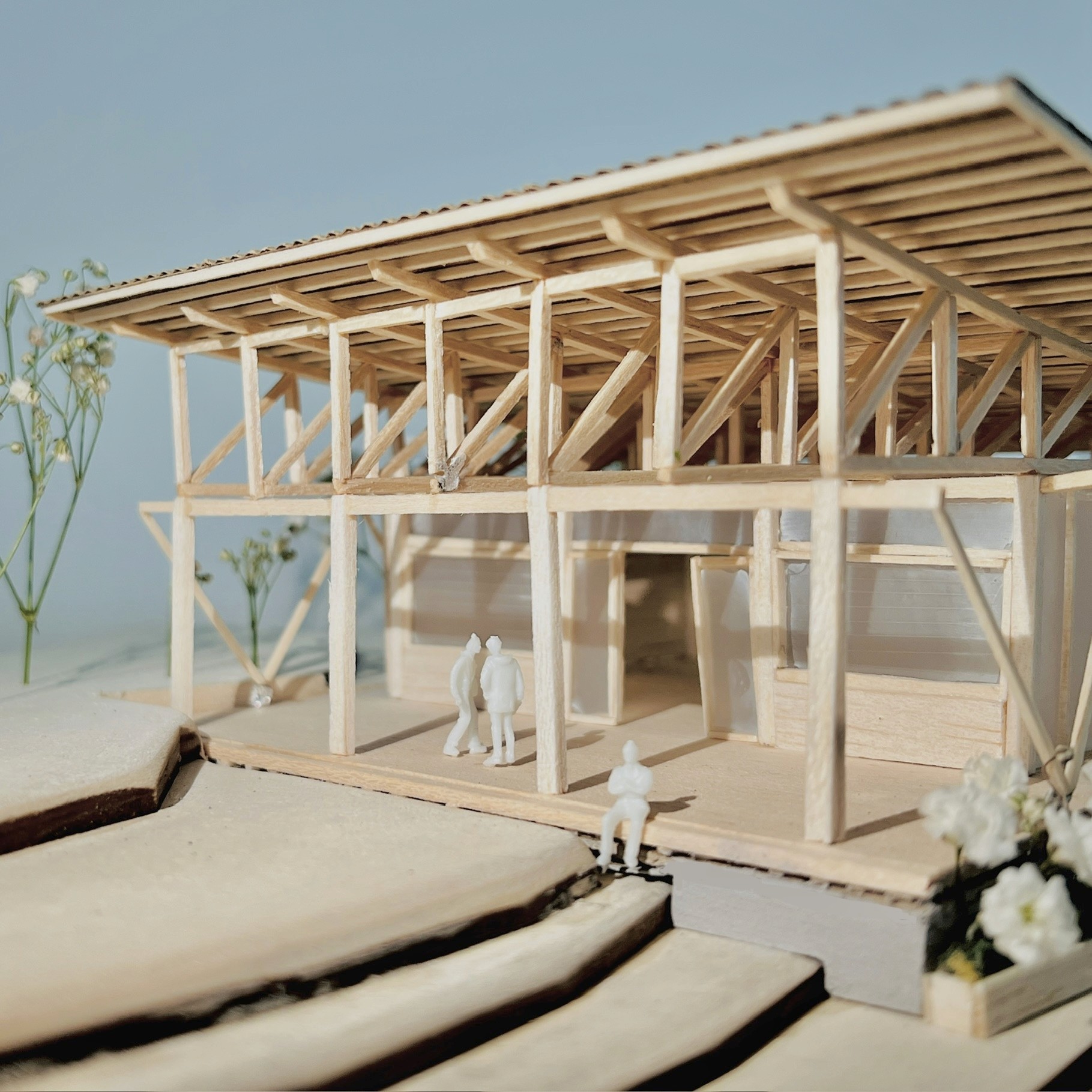
The design strategically positioned to maximise views of the harbour, the building’s layout is clearly divided into "serving" and "server" zones. This spatial clarity enhances usability and allows for future flexibility in programming. The serving areas, used for hosting events, are constructed with a post and beam timber structure and double glazing, providing openness, light, and visual connection to the landscape. In contrast, the supporting areas, such as storage and kitchen, are built with rammed earth, offering thermal mass, durability, and a tactile connection to Country. This material not only grounds the building in its environment but also offers privacy and acoustic insulation where needed.
Plan
Section
/ Passive Design
The design prioritises passive strategies to maximise natural lighting and ventilation throughout the space. Operable louvred walls on the eastern façade allow users to control airflow, harnessing cooling easterly breezes. These Jalousie-style louvres, made from a combination of steel and glass, maintain visual transparency while enabling effective cross-ventilation. Acting as temporary walls, they open and close to regulate both air and light.
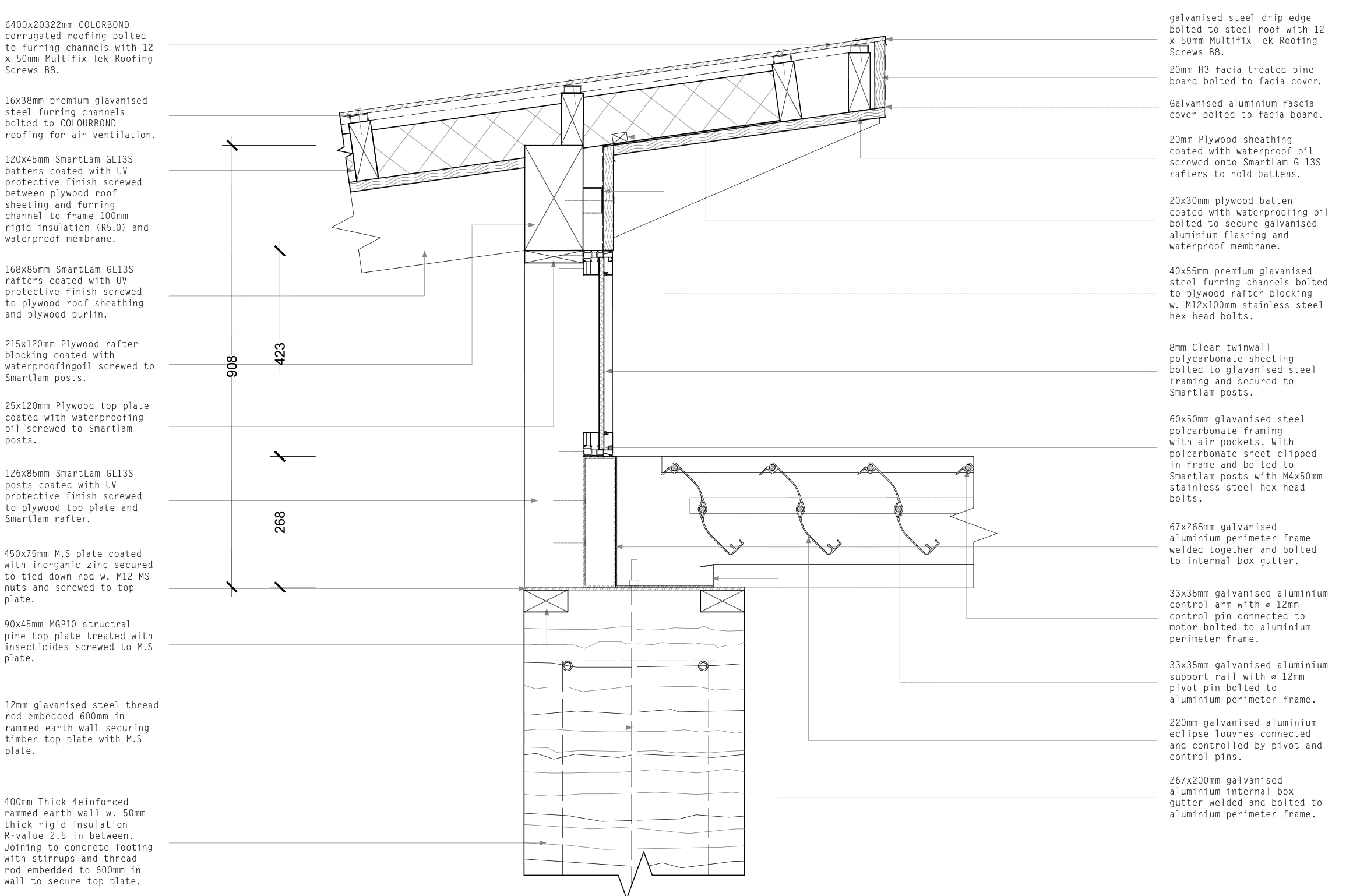
On both the east and west sides of the main function hall, large operable doors create a cross-ventilation path, encouraging airflow and allowing low-angle afternoon sunlight to enter during cooler months. Vertical louvres integrated into the roof above the central outdoor space further enhance environmental control. These are fully adjustable and can block or permit sunlight as needed, offering seasonal adaptability.
Together, these elements create a sustainable, comfortable environment attuned to both climate and user needs.
Detail Section of Louvred Roof
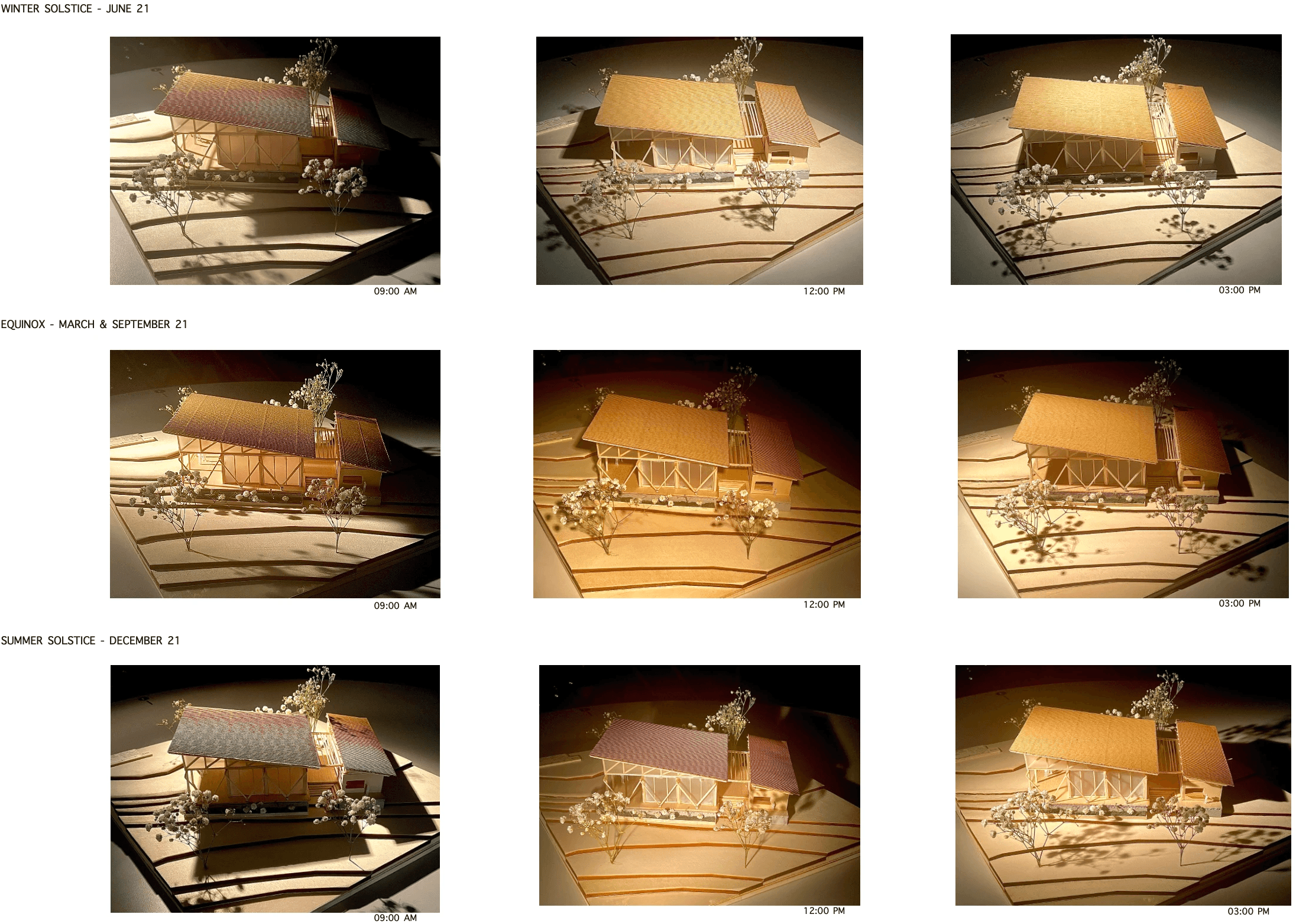
Sun Angle Analysis
House of Celebration
The House of Celebration is a project that emphasises passive design principles and environmentally responsive material choices to create an inclusive, adaptable space for community gatherings such as weddings, ceremonies, and celebrations. Accessibility for all users is central to the design, ensuring it serves a broad and diverse community. With architectural strategies, a thoughtful balance between functionality, sustainability, and cultural sensitivity is created. The House of Celebration becomes more than just a venue, it stands as a symbol of unity, openness, and respectful connection to both people and place.
Year
2024
Focus
Passive Design
Site
Rozelle, Sydney
/ Design
The design strategically positioned to maximise views of the harbour, the building’s layout is clearly divided into "serving" and "server" zones. This spatial clarity enhances usability and allows for future flexibility in programming. The serving areas, used for hosting events, are constructed with a post and beam timber structure and double glazing, providing openness, light, and visual connection to the landscape. In contrast, the supporting areas, such as storage and kitchen, are built with rammed earth, offering thermal mass, durability, and a tactile connection to Country. This material not only grounds the building in its environment but also offers privacy and acoustic insulation where needed.
Plan
Section
/ Passive Design
The design prioritises passive strategies to maximise natural lighting and ventilation throughout the space. Operable louvred walls on the eastern façade allow users to control airflow, harnessing cooling easterly breezes. These Jalousie-style louvres, made from a combination of steel and glass, maintain visual transparency while enabling effective cross-ventilation. Acting as temporary walls, they open and close to regulate both air and light.
On both the east and west sides of the main function hall, large operable doors create a cross-ventilation path, encouraging airflow and allowing low-angle afternoon sunlight to enter during cooler months. Vertical louvres integrated into the roof above the central outdoor space further enhance environmental control. These are fully adjustable and can block or permit sunlight as needed, offering seasonal adaptability.
Together, these elements create a sustainable, comfortable environment attuned to both climate and user needs.
Detail Section of Louvred Roof
Sun Angle Analysis
House of Celebration
The House of Celebration is a project that emphasises passive design principles and environmentally responsive material choices to create an inclusive, adaptable space for community gatherings such as weddings, ceremonies, and celebrations. Accessibility for all users is central to the design, ensuring it serves a broad and diverse community. With architectural strategies, a thoughtful balance between functionality, sustainability, and cultural sensitivity is created. The House of Celebration becomes more than just a venue, it stands as a symbol of unity, openness, and respectful connection to both people and place.
Year
2024
Focus
Passive Design
Site
Rozelle, Sydney
/ Design
The design strategically positioned to maximise views of the harbour, the building’s layout is clearly divided into "serving" and "server" zones. This spatial clarity enhances usability and allows for future flexibility in programming. The serving areas, used for hosting events, are constructed with a post and beam timber structure and double glazing, providing openness, light, and visual connection to the landscape. In contrast, the supporting areas, such as storage and kitchen, are built with rammed earth, offering thermal mass, durability, and a tactile connection to Country. This material not only grounds the building in its environment but also offers privacy and acoustic insulation where needed.
Plan
Section
/ Passive Design
The design prioritises passive strategies to maximise natural lighting and ventilation throughout the space. Operable louvred walls on the eastern façade allow users to control airflow, harnessing cooling easterly breezes. These Jalousie-style louvres, made from a combination of steel and glass, maintain visual transparency while enabling effective cross-ventilation. Acting as temporary walls, they open and close to regulate both air and light.
On both the east and west sides of the main function hall, large operable doors create a cross-ventilation path, encouraging airflow and allowing low-angle afternoon sunlight to enter during cooler months. Vertical louvres integrated into the roof above the central outdoor space further enhance environmental control. These are fully adjustable and can block or permit sunlight as needed, offering seasonal adaptability.
Together, these elements create a sustainable, comfortable environment attuned to both climate and user needs.
Detail Section of Louvred Roof
Sun Angle Analysis